
The Voyaging Experience
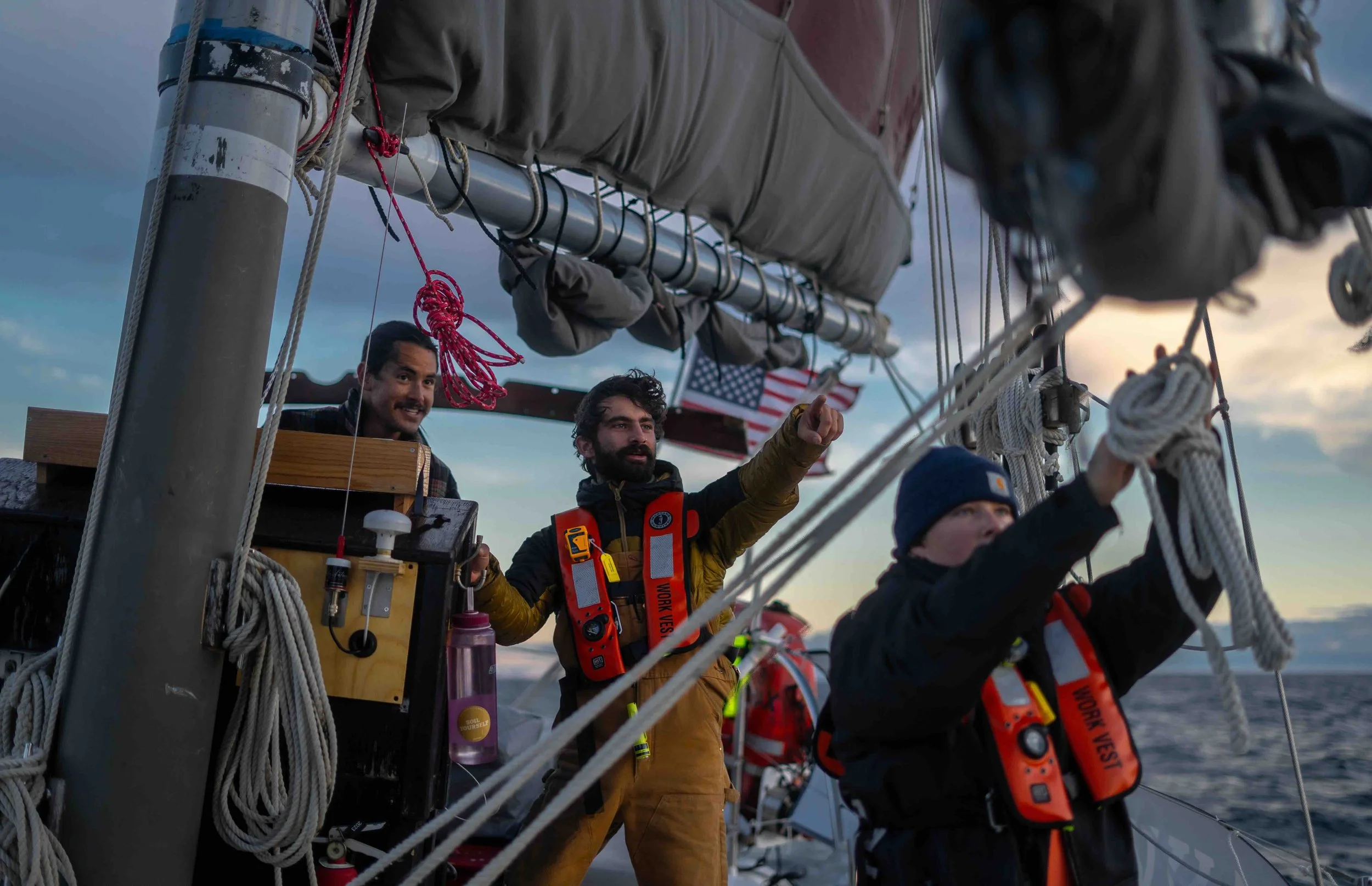
A journey written in salt and stars.
The reasons to go voyaging are many: immense natural beauty, exploring new islands, meeting like-minded adventurers, trying something new, learning new skills, understanding more of the world you live in. But perhaps the most compelling reason is a compilation of all of these things, which is the sense of personal accomplishment that comes from completing something challenging.
We do not offer cruises, we offer voyages.
Voyages are hard.
Voyages challenge you.
Voyages cause you to grow.
Come voyaging because you don’t just want to see more of the world, you also want to see more of yourself.
Watch Standing
Below are a few of the elements of standing watch that our Guest Crew have found memorable.
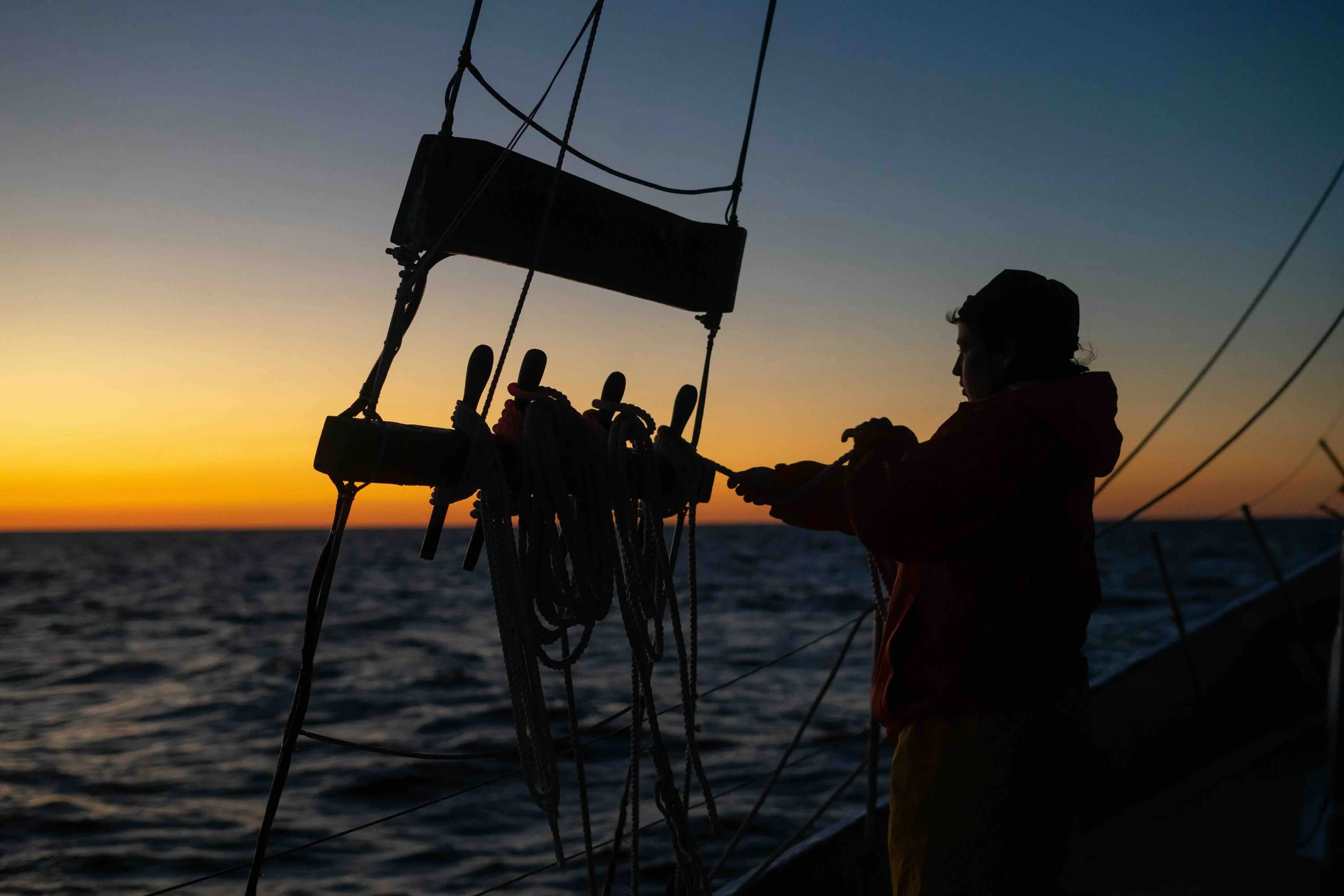
Forward Lookout
Someone is always designated to stand at the bow and be a second dedicated set of eyes and ears for the ship in addition to the helmsman. This means looking for hazards (frequently lobster pots), other vessels, and ominous clouds. At night, when most vessels are back in port, forward lookout becomes time for you to be alone with yourself, the ship, and the sea. Behind you is the quarterdeck, your shipmates, and the safety of the ship. In front of you is the bowsprit pointing into the vast ocean. While holding onto the forestay, you can look beneath you at the bow cutting through the water, see the glow of bioluminescence kicked up by the wake that mimics the stars sparkling above you in the clear night sky, and feel a connection to the planet that is hard to find anywhere else.
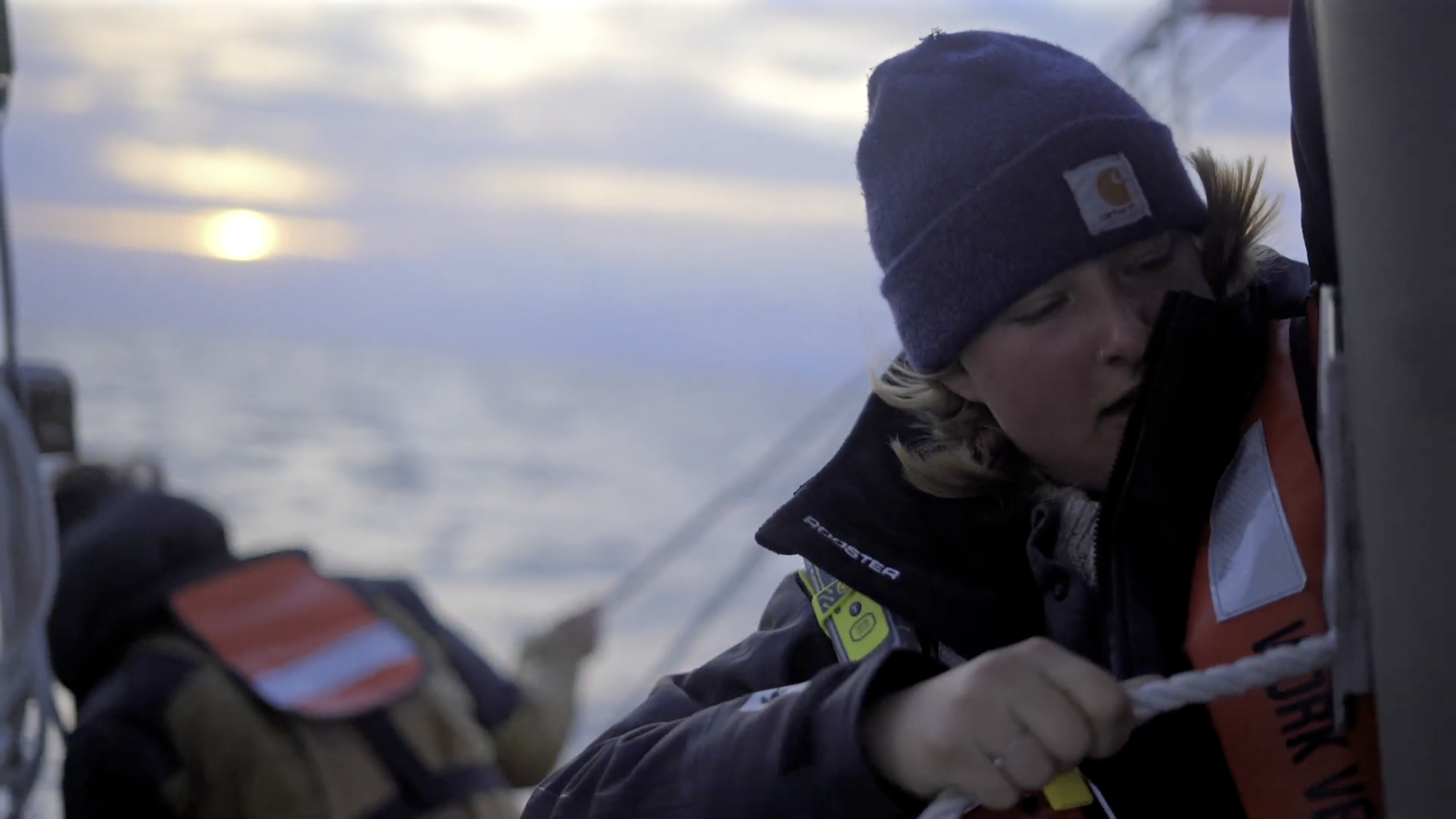
Sail Handling
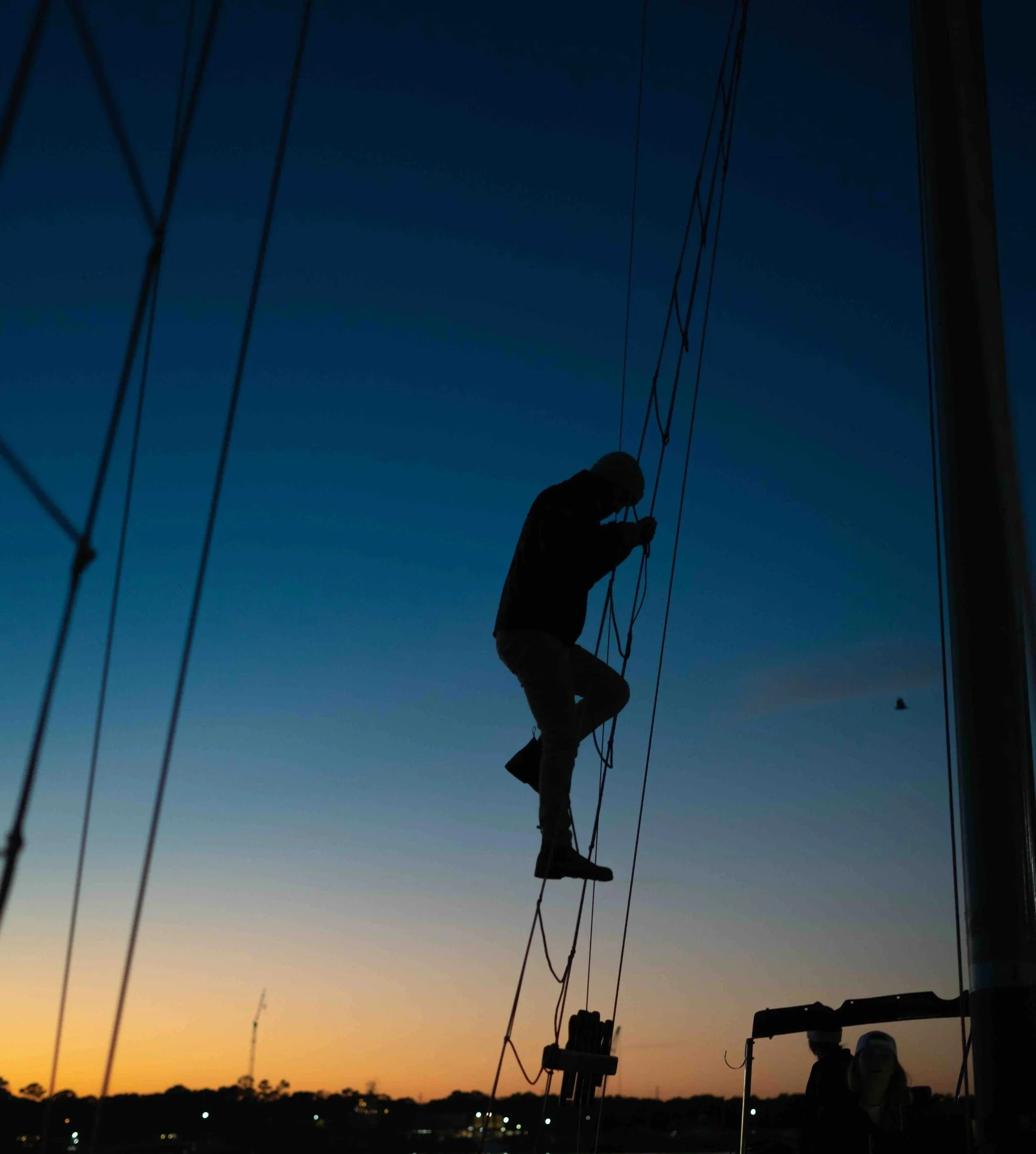
Setting and striking sails, tacking and gybing, furling and trimming…these will start as foreign concepts and quickly become second nature. Sail handling is almost never done alone; you rely on your shipmates to help accomplish a shared goal. Working together to complete a sail evolution will start off a bit clunky, but through the way we repeat commands and repeat tasks, your watch will become a highly functional team. Feeling it “click” with your watch as you perform a well-executed sail maneuver will help make you a better leader, follower, and teammate.
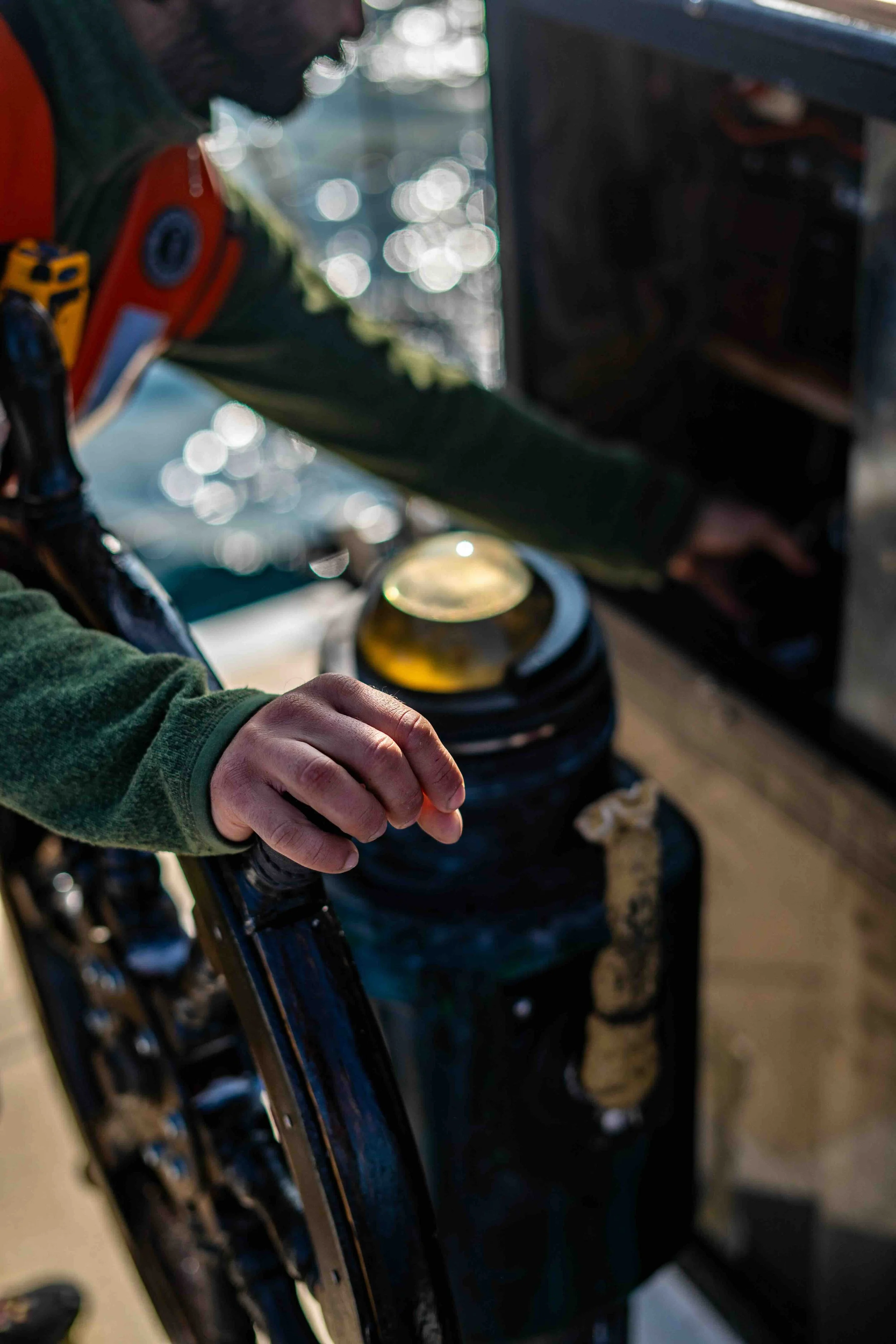
Helm Duty
Steering the boat is a duty you will rotate through on watch and it is not as easy as it looks. When the sails are up, there are multiple unbalanced forces acting on the vessel that are challenging to compensate for. New helmsmen frequently overcorrect and spend too much time looking at the compass instead of the horizon. While there is science behind all of this, what you will come to realize is that you need to “feel it.” Over the course of the voyage, your gaze will elevate from the compass to the sky until you find the perfect star in the rigging to steer the boat by. Slowly, you will start to sense when to be firm with the helm and when to let Wonder roll naturally over a swell. Helm duty is so much more than just steering, it is about paying close attention to all of your senses to connect with the ship and the ocean.
Boat Check
Every hour, a member of the crew walks the entire length of the vessel above deck and below deck to inspect the ship. Look, listen and smell: you will open cubbies, observe gauges, check safety equipment, listen to sails, and tune into your intuition. If something feels wrong, we investigate. Very often, a detail that seems amiss is actually a learning opportunity for why things are the way they are on a ship. But boat checks have also caught mistakes early before they could develop into emergencies. At first, the boat check will be such a daunting checklist that you will carry the checklist with you as you go. Then, as you get to know the ship better and better, you will find yourself glancing at the list less and less as you get a sense of what it means to be “ship shape” aboard Wonder.
Seamanship Instruction
Everyday we gather as a ship’s company for a lesson on topic of oceanography, navigation, meteorology, or marine biology. You will also participate in the science work that we do aboard Wonder, which is available online to anyone in the world via our project Ocean Pi. That means that, when you finish your voyage, you can keep doing science with us from afar or share the scientific work you did with friends and family.